
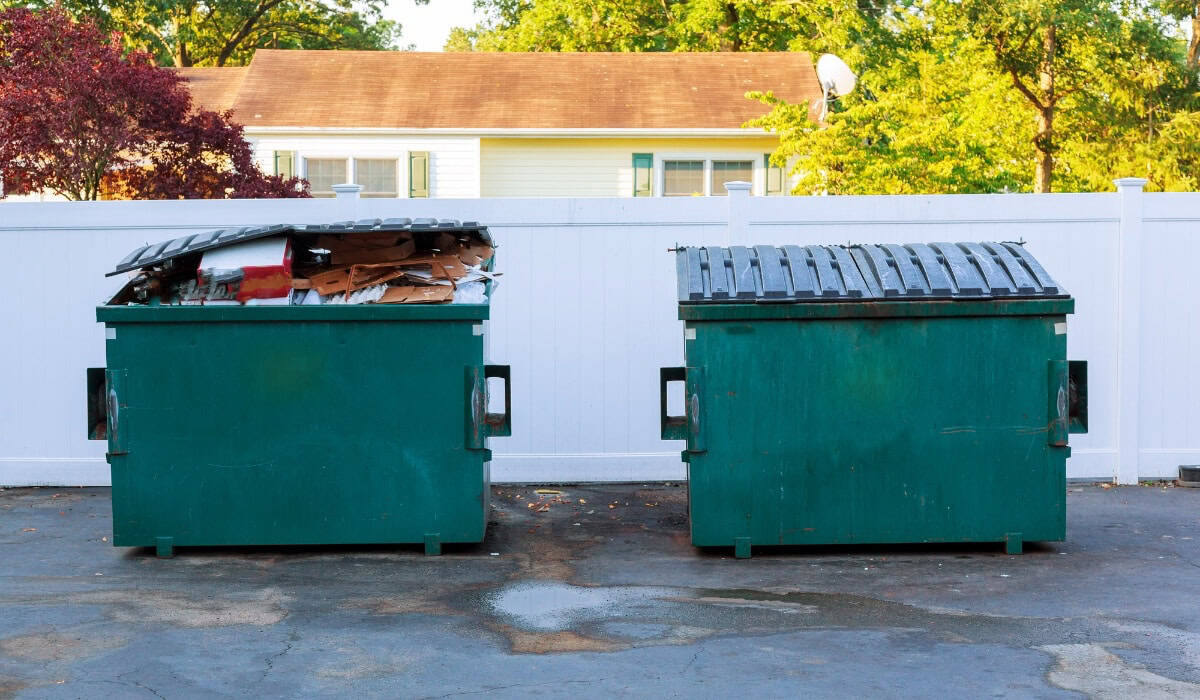
The 10 vs 15 vs 20 yard dumpster comparison by Dump South helps you understand roll off dumpster sizes, weight limits, and dimensions to find the best fit for your project. This guide covers dumpster size comparison, driveway fit, debris types, and local rules to make choosing the right roll-off dumpster size easier.
Understanding Roll Off Dumpster Sizes
Renting a roll off dumpster means knowing the sizes. The usual choices are 10 yard, 15 yard, and 20 yard dumpsters. Each works for different project sizes and types of waste.
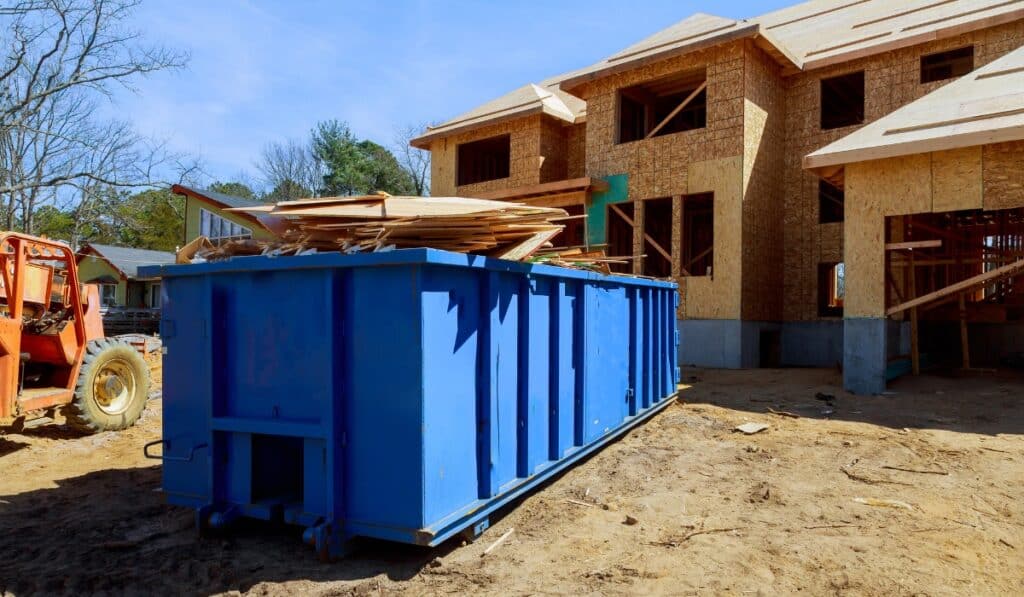
Dimensions & Footprint
10 Yard Dumpster
- Inside size: About 12 ft long x 8 ft wide x 4 ft high.
- Outside size: Takes about one parking spot (around 14 ft long).
15 Yard Dumpster
- Inside size: Around 14 ft long x 8 ft wide x 5 ft high.
- Outside size: Fits in one and a half parking spots (about 16 ft long).
20 Yard Dumpster
- Inside size: Near 22 ft long x 8 ft wide x 4.5 ft high.
- Outside size: Needs two parking spaces (close to 18 ft long).
Weight Limit Policy
Local weight limits matter when you rent a dumpster. Most places have rules about how much weight each dumpster can hold:
- 10 yard dumpsters usually hold between 1 ton and 2 tons depending on where you live.
- 15 yard dumpsters allow roughly 2 to 3 tons.
- 20 yard dumpsters handle around 3 to 4 tons.
If you go over the limit, expect extra charges from rental companies.
Driveway Fit & Clearances
Before you order, check your driveway space carefully:
- Make sure it fits length and width-wise.
- Leave at least a foot extra on each side so the dumpster doesn’t block anything.
Some cities need permits if you put dumpsters on public land. Ask local offices first.
Debris Type Considerations
Different sizes work better for certain stuff:
- The 10-yard is good for small home junk like old furniture or minor renovation scraps.
- Use a 15-yard if your project covers several rooms or involves big landscaping work.
- Go for a 20-yard if you have major renovations or construction waste like concrete.
Knowing these details—size, weight rules, space—makes picking the right roll off dumpster easier.
Dumpster Size Comparison – 10, 15, and 20 Yard Roll Off Dumpsters
Key Dimensions and Capacities
- Interior Dimensions: This is the actual space inside where you put your waste.
- Exterior Footprint: This covers how much room the dumpster takes up outside, including wheels or rails.
Here’s what each size offers:
- The 10-yard dumpster is about twelve feet long but only three-and-a-half feet tall. That works well where height is low.
- The 15-yard dumpster gets longer and taller for more space but stays about the same width.
- The 20-yard dumpster has the biggest volume but needs at least twenty-one feet in length to fit.
Check local rules about placing dumpsters near sidewalks or roads before ordering.
Pickup-Load Equivalents for Each Size
It can be easier to imagine dumpster size by thinking of pickup trucks:
- A 10-yard dumpster holds roughly four to six loaded pickups.
- A 15-yard dumpster fits about six to nine pickup loads.
- A 20-yard dumpster equals eight to twelve pickups worth of trash.
This helps you guess volume using something familiar.
Best Uses by Debris Type and Scope
Different projects produce different kinds of waste. This affects which dumpster size works best.
- Light Debris & Small Projects:- The 10-yard dumpster works great for small tasks like attic cleanouts or yard waste such as branches and leaves. It handles light stuff well and fits narrow driveways easily.
- Mixed Household & Renovation Waste:- A 15-yard dumpster suits medium projects with drywall scraps, old flooring, cabinets, and general household junk. It’s sized right for mixed debris without wasting space.
- Heavy/Dense Materials & Large Jobs:- For big jobs with heavy stuff—like concrete pieces from demolition or bulky furniture—the 20-yard dumpster handles weight better, though you may also need heavy materials transport to the disposal site. Roofing tear-offs with shingles also fit here nicely.
Remember local weight limits because going over might cost extra fees.
Typical Tonnage for Each Dumpster Size
Weight limits differ by area but usually go like this:
- The 10 yard bin holds up to about two tons (~4,000 lbs).
- The 15 yard bin can take near three tons (~6,000 lbs).
- The 20 yard bin handles roughly four tons (~8,000 lbs).
Heavy materials like concrete weigh a lot more than light trash such as wood chips or regular garbage. Always ask your rental company about weight limits before booking so you avoid surprise charges.
Factors to Consider When Choosing a Roll Off Dumpster Size
Picking the right roll off dumpster size is key. It helps you avoid spending too much or running out of space.
Dumpster Rental Sizes
Roll off dumpsters come in different sizes, usually from 10 to 20 yards. Each size has its own inside space and outside footprint. This matters for where you can put it.
Debris Type Considerations
Materials weigh different amounts and take up space differently. Light stuff like wood or trash fills up space but weighs less than heavy things like concrete or dirt. So, check what kind of debris you’ll toss before picking your dumpster rental sizes.
Driveway Fit and Clearances
Making sure the dumpster fits your driveway is smart, and if you need to move equipment for the project, consider small dumpster transport services. It stops damage when delivering and picking up bins.
Here’s what to check:
- Length, width, and height of your driveway space
- Door or gate heights near garages
Dump South shares photos with footprints for each dumpster size so you see exactly how they fit. Using driveway protection mats helps keep surfaces safe when placing heavy bins on asphalt or pavers.
Weight Limits and Overage Policy
Each dumpster has weight limits set by local hauling rules. Going over these limits costs extra.
At Dump South:
- We explain weight limit policies clearly at the start.
- Local weight limits depend on landfill rules; small bins might cap at about one-and-a-half tons while bigger ones allow up to three tons.
- You get info on possible fees if your load passes these weights.
This way, there are no surprises when the bill comes. It also encourages smart loading that follows environmental rules.
Local Prohibitions and Regulations
Local laws decide what goes into dumpsters and if permits are needed in some spots.
Things to keep in mind:
- Follow EPA waste guidelines for safe handling of hazardous items.
- NAHB standards show proper ways to toss construction materials.
- Some places ban big items like appliances because of recycling rules.
Checking local hauling regulations before renting saves headaches later by avoiding illegal dumping fines.
10 Yard Dumpster: Compact and Convenient for Smaller Projects
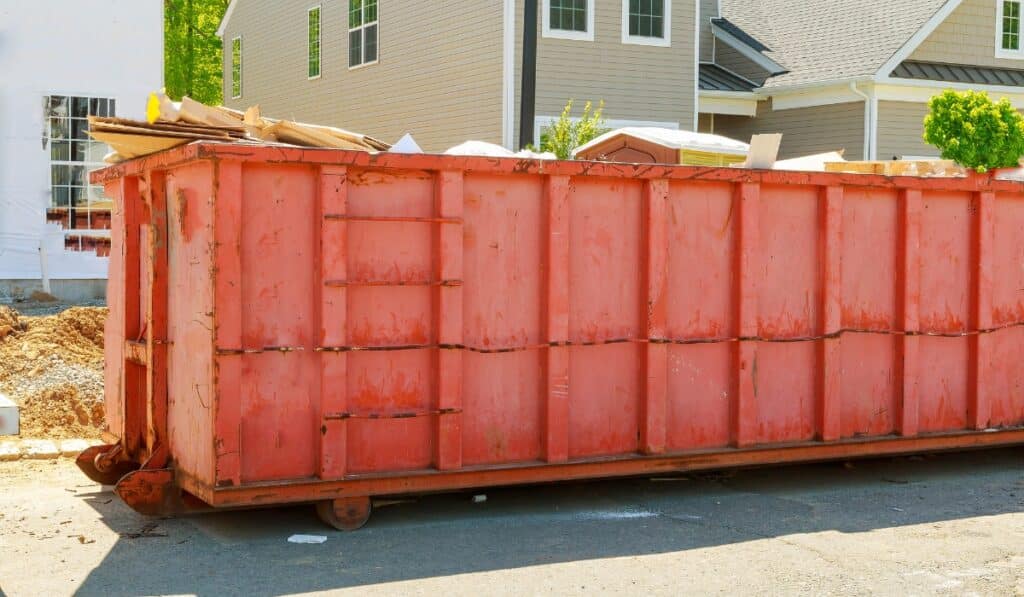
A 10 yard dumpster fits well for smaller jobs around the house. You can rent it for residential dumpster rental needs. It works great if you have small home cleanouts or need a junk removal service.
This size lets you get a quick cleanup without crowding your yard. Whether you clean out the garage or toss minor renovation debris, a 10-yard dumpster holds enough waste to keep things neat. Plus, it saves money since it isn’t too big or expensive.
Dimensions of a 10-Yard Dumpster
Knowing dumpster dimensions helps with placing it right and clearing your driveway. The interior dumpster dimensions usually are about 11 feet long, 7 feet wide, and 3.5 feet high. On the outside, the dumpster footprint adds roughly one foot all around. So the exterior size is around 13 feet by 8 feet.
You also need space for trucks to deliver and pick up safely. Driveway space requirements mean having at least 14 feet length and 9 feet width free. This way, no damage happens during delivery.
Since these dumpsters are compact, they fit in narrow driveways or smaller yards well. Bigger dumpsters might be too bulky for those spots.
Best Uses for a 10-Yard Dumpster
Here are some best uses by debris type for this dumpster size:
- Construction debris removal: Use it for small jobs like fixing bathrooms or swapping flooring.
- Landscaping Debris Removal: Perfect for yard waste such as branches, soil, or grass clippings.
- Household Junk Removal: Works well when clearing out rooms or tossing old furniture.
You should think about debris type because heavy stuff like concrete fills weight limits fast even if volume is low. This dumpster handles mixed debris okay but avoids too much heavy material to skip overage fees.
Estimating Pickup-Load Equivalents for a 10-Yard Dumpster
To picture how much fits inside, think about pickup-load equivalents:
- A full-size pickup truck bed holds about one cubic yard.
- So, a 10-yard dumpster equals about ten pickup truck loads.
This helps figure out how much junk you can get rid of at once without extra pickups or rentals.
For example: trash from two average rooms could fill this container fully. Small reno projects often need only one rental because this volume works fine.
15 Yard Dumpster – A Versatile Option for Medium-Sized Jobs
A 15 yard dumpster fits right in the middle of dumpster rental sizes. It’s bigger than a small bin but smaller than large containers. This roll off dumpster works well when you want enough space without too much bulk. It usually fits in most residential driveways without causing problems.
This dumpster holds about 10 to 12 pickup loads. That’s roughly 150 trash bags full of stuff. You can use it for many jobs like home cleanups or construction debris removal that are not too big or too small.
Dimensions of a 15-Yard Dumpster
Knowing dumpster dimensions helps you pick one that fits your space.
- Interior Dumpster Dimensions: About 14 feet long, 8 feet wide, and 4 feet tall.
- Exterior Dumpster Footprint: Around 16 feet by 8.5 feet including extra room on the sides.
- Driveway Clearance: Leave at least one foot on each side for safety.
This size usually fits most driveways in suburban areas fine. Just make sure to measure your driveway space before renting. That way, the dumpster won’t block anything during delivery or pickup.
Best Uses for a 15 Yard Dumpster
The best uses by debris type show why this size is handy for many jobs:
- Residential Cleanup Projects: Good for cleaning garages, basements, or yard waste like branches and dirt.
- Construction Debris Removal: Works for drywall scraps, flooring bits, roofing shingles (but check local rules), and small remodeling leftovers.
- Debris Type Considerations: Avoid heavy stuff like bricks or concrete unless allowed. They weigh a lot and can pass weight limits quickly.
This dumpster is great for homeowners who want to clear out medium-sized messes and contractors with moderate job sites full of mixed debris.
20 Yard Dumpster – Maximum Versatility for Larger Projects
A 20 yard dumpster fits many types of projects. It works well for home makeovers and medium construction jobs. This roll off dumpster size footprint fits most driveways without taking too much space. It can handle typical tonnage easily. Whether you clear junk or bulky waste, this size offers plenty of room without crowding your yard.
Dimensions of a 20-Yard Dumpster
Knowing dumpster dimensions helps with placement and fit on your driveway. Interior dumpster dimensions usually run about 16 feet long, 8 feet wide, and 4 feet high. The exterior dumpster footprint includes wheels and lifting parts, making it about 18 feet by 8 feet. The door or gate stands near 3.5 feet tall.
Photos of driveways with footprints show this size fits fine on most residential driveways but needs at least 2-3 feet clearance on each side to avoid trouble during delivery.
Best Uses for a 20 Yard Dumpster
The 20 yard dumpster fits different debris types:
- Construction trash like drywall, wood scraps, and roofing stuff
- Home cleanouts with furniture or big appliances
- Yard waste such as branches, soil, and sod
It holds large amounts so you don’t need many trips. For construction debris removal, it balances weight limits with enough space to avoid overfilling.
Dumpster Placement Tips for Residential Driveways
- Pick flat spots without cracks or loose gravel
- Tell us about special access when booking
- Don’t block neighbors’ driveways or sidewalks
These steps keep things safe and easy.
Avoiding Property Damage
- Ask for protective mats if worried about scratches
- Reading terms carefully about damage responsibility
- Knowing pricing is clear—no hidden repair bills later
This helps keep trust while guarding your property.
Navigating Local Prohibitions and Accepted Materials
Rules vary by place but usually ban hazardous stuff like batteries, chemicals, tires, electronics (e-waste), liquid paint cans, asbestos materials because they’re unsafe.
Allowed materials include household trash (not hazardous) and construction rubble except big concrete blocks unless landfill allows them.
Always check lists given at booking so you don’t break local laws or face fines from illegal dumping.
Understanding Local Dump South Regulations
- Needing permits to put dumpsters on streets
- Limits on delivery/removal hours
- Different weight caps to protect roads
Knowing these saves delays in your project schedule.
Ready to rent your roll off dumpster? Contact us today! We promise quick drop-offs and pickups that keep things moving on your schedule—and budget!