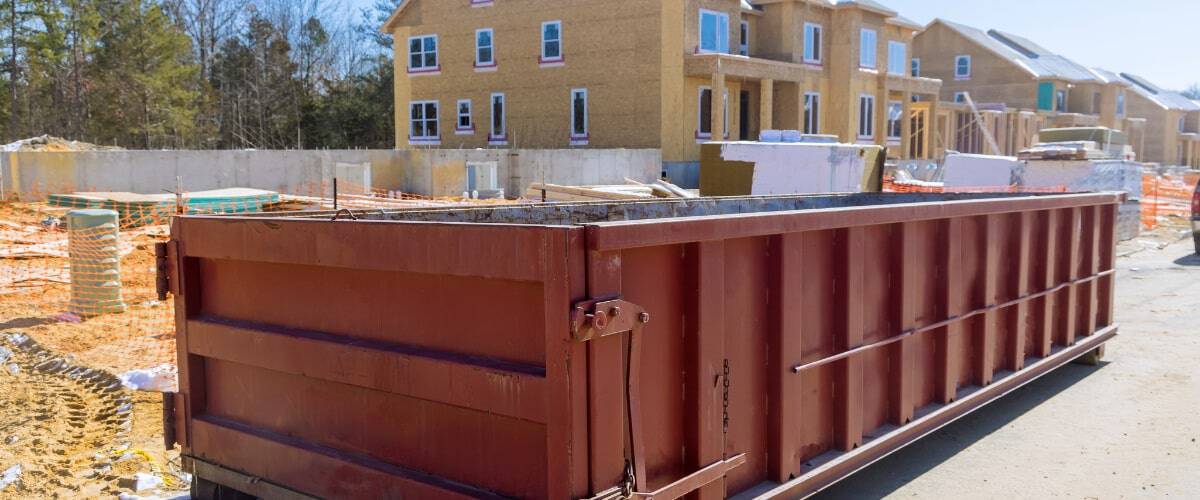
Whether you’re remodeling your kitchen, clearing out years of clutter, or managing a job site, renting a dumpster can make debris removal simple and efficient. But the process isn’t as straightforward as choosing a size and dropping it in your driveway. Failing to plan or understand how dumpster rentals work can lead to costly surprises, delays, or even legal issues.
To help you avoid common pitfalls, we’ve put together a detailed guide based on real customer experiences and industry knowledge. Whether you’re a homeowner, contractor, or business owner, this guide will give you the clarity needed to make the right decisions.
Let’s walk through the 5 most frequent mistakes people make when renting a dumpster—and how to avoid them from the start.
Understanding Your Waste Disposal Needs
Don’t make common dumpster rental mistakes by guessing what you need. Take a moment to figure out your project’s waste. This saves money, stops delays, and makes the rental easy.
Assessing Your Project’s Waste
You need to estimate how much waste you have and what kind it is. This keeps you from paying too much or getting the wrong dumpster size. Here’s how:
- Waste Volume Estimation: Think about how much space your trash will take. If you guess too high, you pay for empty space. Guess too low, and you might get charged more for overfilling.
- Bulky Waste Disposal: Big stuff like sofas or fridges take up lots of room but might not weigh much.
- Construction Debris Disposal: Things like wood, drywall, and concrete differ in size and weight. Knowing this helps pick the right dumpster.
- Home Renovation Waste: Renovations make mixed trash—old shelves, tiles, boxes. Sort this before renting.
- Spring Cleaning Dumpster: When cleaning outside or inside for spring, yard waste mixes with house trash. Try to keep them apart.
- Project Cleanout: If you clear a whole house or garage, write down all waste types. This stops surprises later.
Doing this right helps you avoid common dumpster rental errors like getting a too-small bin or tossing banned items in.
Identifying Hazardous Materials and Special Handling Requirements
Some trash needs special care because it can be unsafe or illegal to dump in regular dumpsters.
- Hazardous Waste Disposal: Don’t throw paint cans, batteries, chemicals, or asbestos in regular dumpsters. Check your local rules first.
- Hazardous Materials Handling: Label and pack dangerous stuff right if it can’t go in normal trash.
- Prohibited Dumpster Items: Electronics, tires, propane tanks often can’t go into dumpsters or need special handling depending on where you live.
Knowing these rules ahead stops fines, delays, and refusal of service. If unsure about anything when renting from Dump South, just ask.
By figuring out how much waste you have and spotting any hazardous materials early, you skip common pitfalls. You save time and money while making cleanup easier from start to finish.
Navigating Local Regulations and Permits
Local rules matter a lot when you rent a dumpster. Every place has its own laws set by local waste authorities. These rules cover where you can put dumpsters, what permits you need, and how to stay green. If you don’t follow them, you might get fined or face delays.
Checking Local Ordinances for Dumpster Placement
Start by looking up municipal waste policies and local waste disposal laws. They usually say things like:
- Waste Disposal Rules: Some trash is not allowed because of landfill regulations or recycling regulations. You need to know what you can throw away.
- Site Accessibility: Pick a spot where trucks can get in and out without blocking traffic or emergency ways.
- Unauthorized Access Prevention: Some places want fences or locked lids so no one dumps trash without permission.
Checking these helps pick a good site that fits the rules and avoids trouble.
Example: Many towns don’t let dumpsters sit on sidewalks without okay from the city. That blocks walking paths. Always check with your local waste authorities before you book.
Securing Necessary Permits for Public Property Placement
If your dumpster goes on public land—like streets, sidewalks, or parks—you often need a permit. Usually, this means:
- Permit Application Process: You fill out a form showing dumpster size, how long it will stay, and why you need it.
- Rental Contract Terms: Your contract might say you have to show proof of the permit before delivery.
- Permit Requirements: Cities may charge fees, and some want insurance papers proving liability coverage.
Getting these permits stops fines and keeps your dumpster where it should be during your rental.
Following these steps makes dealing with local waste disposal laws easier. It helps you avoid common dumpster rental mistakes tied to permits and site choice.
Choosing the Right Dumpster Size
Selecting the Appropriate Dumpster Size
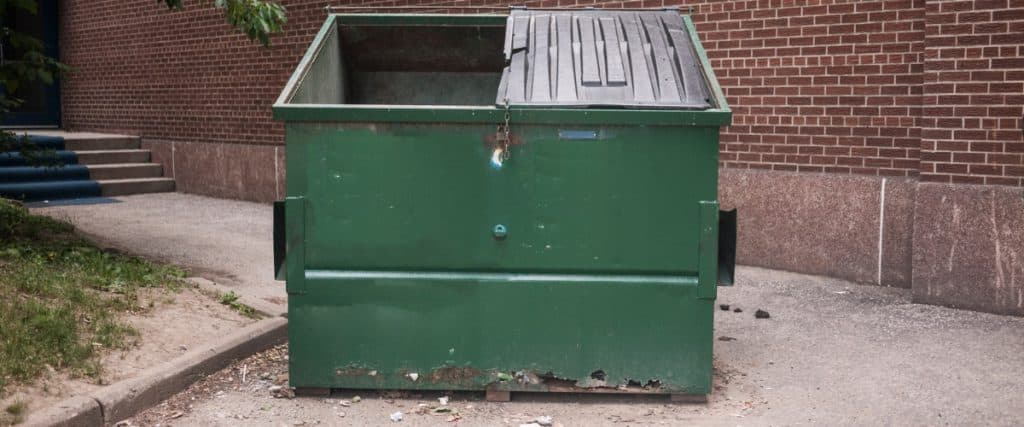
Picking the right dumpster size makes everything easier. Dumpsters come in sizes from 10 to 40 yards. Smaller projects like cleaning out a room or small home fixes need a 10-15 yard roll-off container. Bigger jobs, like commercial work or big remodels, use 30-40 yard dumpsters.
Think about how much stuff you’ll throw away. That helps you pick the right dumpster load capacity. If you get too big a dumpster, you pay more than needed. Too small means you might need more than one. Residential dumpster rental usually means smaller dumpsters because homes have less space and less trash. Commercial dumpster rental needs bigger ones to handle more waste.
Ask yourself: How much junk will I have? What kind of trash am I throwing out? These questions stop you from picking the wrong size and paying for space you don’t use.
Understanding Weight Limits and Potential Overage Fees
Every dumpster has weight limits based on design and local rules. If you put too much weight in it, that’s called overloading dumpster, and it costs extra money—heavy overage fees.
Weight limits change by size but usually run from 2 to 5 tons per roll-off container. Stuff like concrete, dirt, or metal is heavy and fills weight limits fast even if there’s room left inside.
Try to guess your trash’s weight before renting. If not sure, ask your company about typical weight restrictions for your dumpster size and what happens if it’s overloaded. Don’t forget: Overloading can cause safety issues when they pick it up or drive it away.
Reviewing the Contract for Hidden Fees
Look at the rental contract closely before signing. Sometimes there are hidden dumpster fees or extra charges that surprise you later.
Watch for things like:
- Delivery or pickup charges outside normal areas
- Fuel surcharges based on gas prices
- Permits needed by your town or city
- Fees if forbidden stuff ends up in your load
The fine print often says how long you can keep the dumpster without paying more daily fees. Check those deadlines so you avoid late penalties. If anything confuses you, ask questions now instead of after paying more money. Being clear here stops hidden costs that many renters complain about.
Match the right size with what you really need, then read contracts well. This helps stop common dumpster rental mistakes that cause big bills and problems later on.
Ensuring Smooth & Proper Delivery, Waste Disposal and Placement
Preparing the Placement Area
Picking the right spot for your dumpster helps everything go smoothly. Find a flat, strong surface that won’t get damaged. Stay away from soft or bumpy ground to stop the dumpster from tipping or sinking. Make sure trucks can reach the area easily—clear driveways and take away low branches or anything in the way.
Mark off the area if you need to. This helps drivers set the dumpster in the right place. It also keeps it safe while you rent it. Planning your site ahead saves time when they deliver and pick up later.
Planning for Delivery and Pickup
Call Dump South early to set up dumpster delivery scheduling. Doing this lets you pick dates that fit your work schedule. Tell clearly when you want the dumpster dropped off and picked up to avoid mix-ups.
When you schedule on time, our team shows up when expected. That keeps your project moving without pauses. Check in before your rental ends to plan pickup coordination so we remove the dumpster fast. This way, you avoid extra charges or clutter around your place.
Proper Waste Disposal Practices and Prohibited Items
Following waste disposal rules keeps you safe and out of trouble. Don’t throw hazardous stuff like chemicals, paint, batteries, or asbestos in dumpsters. They need special handling by law.
You can’t put items like tires, electronics, propane tanks, medical waste, or anything flammable inside either. Ask us about banned materials before filling up the dumpster. This stops problems when they pick it up.
Using dumpsters only for allowed trash makes sure everything gets processed right at recycling centers or landfills. It also keeps people safe.
Securing Your Dumpster to Prevent Accidents and Unauthorized Access
Keep your dumpster secure to avoid accidents like it tipping over or someone getting hurt by loose debris. Put barriers around it if needed so people stay clear of sharp edges or heavy junk inside.
Stop unauthorized access by locking it if you can. Or place dumpsters where they’re easy to see but hard for strangers to reach after hours. Doing this protects your property and keeps control over what goes into your rental container.
Planning placement carefully, booking delivery schedules early with Dump South, following disposal rules closely, and locking down dumpsters helps you dodge common mistakes like late pickups, misuse, safety issues—and makes cleanup easier every time.
Minimizing Environmental Impact Through Recycling and Waste Reduction
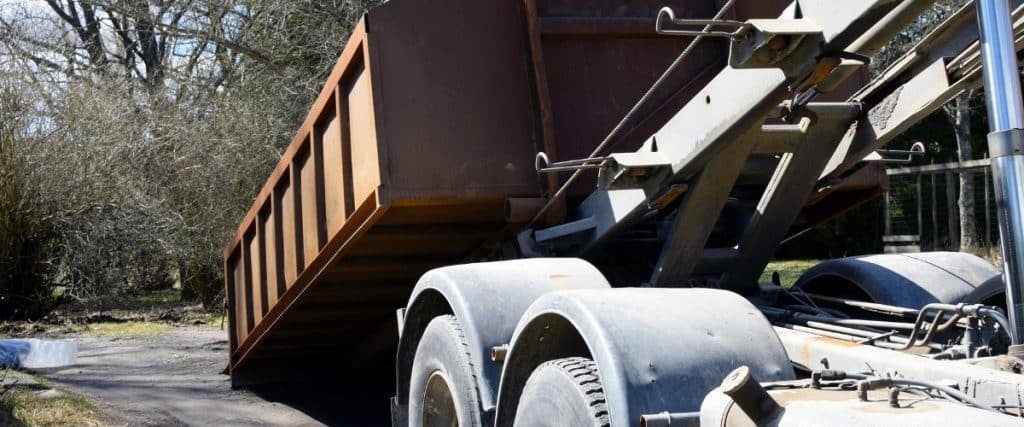
Doing waste right helps keep the planet safe and your work simple. Follow your local recycling regulations to throw things away properly. Sort metals, papers, and plastics from other trash before putting them in the dumpster. This step helps with recycling options near you.
Recycling when you can cuts down how much trash goes to landfills and stops pollution. Landfill regulations often ban some items. Knowing what you can recycle or reuse helps reduce environmental impact. Sorting waste also stops recycling stuff from getting dirty, which makes recycling easier.
Using these sustainable waste practices keeps neighborhoods cleaner. You also follow the environmental compliance rules set by officials.
Here’s a quick list to remember:
- Check local recycling regulations
- Separate recyclables from trash
- Recycle when possible
- Know landfill restrictions
- Sort waste well
Tips for a Smooth Dumpster Rental Experience
While avoiding mistakes is important, following a few proactive tips can make your rental even more effective:
- Schedule delivery a day before your project starts. This gives you a cushion in case of delays.
- Use boards or plywood under the dumpster if placing on a driveway or soft surface.
- Keep the area around the dumpster clear so that workers can easily access it.
- Monitor your debris levels daily so you don’t go over the weight limit.
- Ask questions upfront. A reputable company will be happy to explain how their process works.
Your Local Dumpster Rental Experts in Fairhope, AL!
At Dump South, we provide reliable, affordable dumpster rental services across Fairhope, AL and surrounding areas. Whether you’re working on a home improvement project or managing a construction site, we offer a range of dumpster sizes to meet your needs—with clear pricing and no hidden fees.
We believe that renting a dumpster should be straightforward. That’s why we help our customers choose the right size, understand local regulations, and avoid common mistakes. Our team is committed to punctual delivery, proper placement, and hassle-free pickups.
We’re proud to serve the community with honest service and practical advice. When you rent from Dump South, you’re getting more than just a dumpster—you’re getting a local team that cares about getting the job done right.