

How many pickup loads in a dumpster varies based on dumpster size, material type, and bed volume differences between compact, standard, and long pickup beds. Dump South’s guide explains conversions for 10-, 15-, and 20-yard dumpsters, covers legal transport limits, level-load versus heaping, and local road safety rules to help you choose the right dumpster size and understand load capacity.
Quick Pickup Load Estimates for Common Dumpster Sizes
Wondering how many pickup loads fit in a dumpster? Here’s a quick look:
- 10-Yard Dumpster: Holds about 3 pickup loads if you use a compact bed.
- 15-Yard Dumpster: Fits around 4 to 5 pickup loads with a standard bed.
- 20-Yard Dumpster: Packs roughly 6 to 7 pickup loads using a long bed truck.
These rough numbers give you an idea of how dumpster sizes compare to pickup truck beds.
Explanation of Assumptions
Pickup trucks come in different sizes, which changes how much they carry. Here’s the basic info:
- Compact Bed: Usually carries close to 1.5 cubic yards.
- Standard Bed: Can fit about 2.0 to 2.5 cubic yards of stuff.
- Long Bed: Holds around 3.0 cubic yards or more, depending on the truck.
Knowing these helps you figure out how many pickups equal one dumpster load easily.
Level-load Versus Heaping Load Considerations
When loading your truck, you can do it two ways:
- Level-loads: Keep the load flat and even with the truck bed’s edge. This way is safer and follows legal weight rules better.
- Heaping Loads: Piling stuff above the truck bed edges might seem smart, but it risks overloading and fines due to safety laws.
Truck weight limits vary by state — usually from about 8,000 lbs for smaller trucks up to 26,000 lbs for bigger ones. Check local rules before hauling waste just to be safe!
If you want exact pickup load counts per dumpster size or need help with your project, just ask!
How Material Type Influences the Number of Pickup Loads
The kind of material you throw away changes how many pickup loads fit inside a dumpster. Bulky stuff takes up lots of space but doesn’t weigh much. Dense or heavy materials fill the dumpster fast by weight before they fill it by volume.
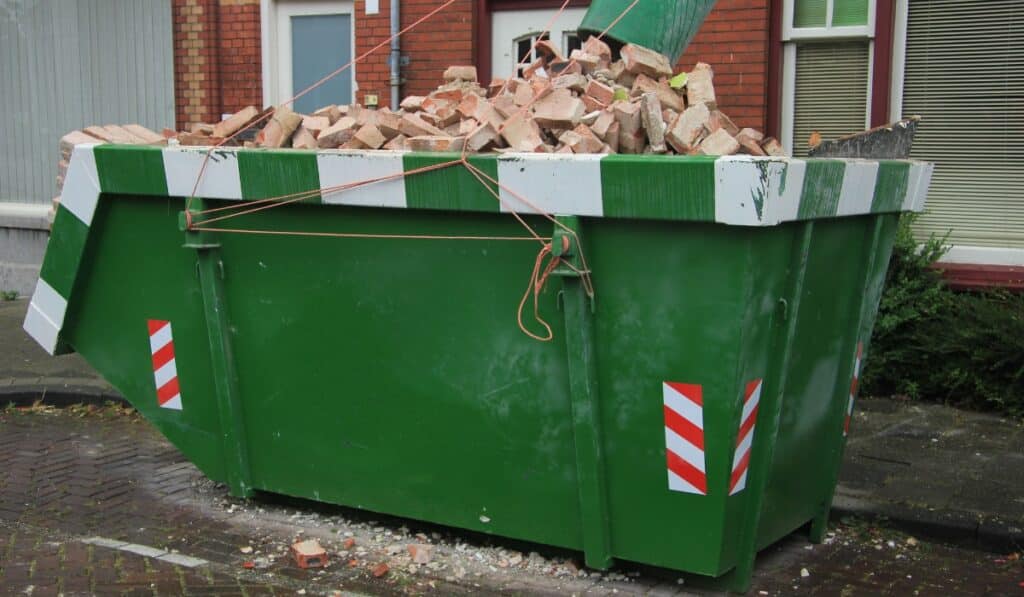
A 10-yard dumpster can hold about 3 to 4 pickup loads when dealing with bulky waste like yard debris or household junk. But if you’re tossing dense stuff, like concrete or bricks, it might only hold 1 or 2 pickup loads because of weight limits and tight packing.
Pickup trucks have different bed sizes—small beds hold about 6 cubic yards, standard beds around 8, and long beds up to 10 cubic yards. Dumpsters use cubic yards too, so comparing these numbers helps figure out how many pickup loads fit. Keep in mind, trucks must follow legal rules and carry loads level without heaps for safety.
Material density affects both volume and weight:
- Bulky material: Low density; takes up space quickly but weighs less.
- Dense material: High density; heavy per cubic yard, which limits how much you can load by weight.
Knowing this difference helps you plan better when choosing the right dumpster size for your project. It shows how many trips you can save compared to hauling many pickups.
Local Regulations Affecting Dumpster and Pickup Loads
When you rent a dumpster, you need to know local rules. These include legal transport weight limits, road safety laws, closed load compliance, and permits for placing dumpsters. Cities and towns make these rules to keep people safe and protect roads.
Legal transport weight limits tell you how much weight your vehicle can carry on the road without breaking laws or damaging streets. Dumpsters have to follow these limits when put on trucks or pickups. Many places also want you to cover or secure loads. This is called closed load compliance. It stops trash from falling off while driving.
You might need a permit before putting a dumpster on public property like sidewalks or streets. Permits come with rules about where and how long the dumpster stays.
Following these laws helps you avoid fines and keeps your project safe.
Local Road Safety Rules Relevant to Transporting Dumpsters
Local road safety rules say how dumpsters must be moved by pickups or trucks inside towns. Here are some key points:
- Weight Limits: Don’t go over the vehicle’s gross weight rating. Overloading causes accidents and damages roads.
- Load Securing: Keep all waste covered or inside the container to avoid spills.
- Height Restrictions: Loads can’t be taller than allowed by local laws.
- Speed & Route Controls: Some places limit speed or tell heavy vehicles where to drive.
For example, if you put too much in a 15-yard dumpster and put it on a pickup bed, it could make driving unsafe. Check your local DMV or transport website for exact rules.
Legal Transport Limits for Weight and Load Height
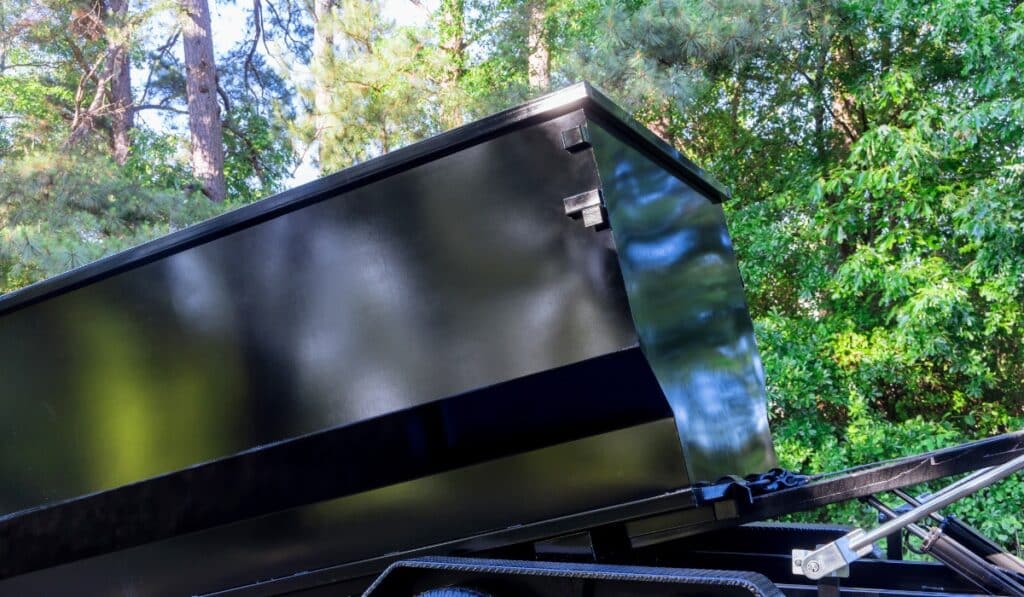
Transporting dumpsters means following two main legal limits: weight and height.
Weight Limits
Each state sets max weights for highway travel based on axle groups. For pickups hauling dumpsters:
- 10-Yard Dumpster: About 3 tons (equals two compact pickup loads)
- 15-Yard Dumpster: About 4 tons (equals three standard pickup loads)
- 20-Yard Dumpster: About 5 tons (equals four long pickup loads)
Load Height & Closed Load Compliance
Many places require covering loads over about four feet tall with tarps or nets. This “closed load” rule stops debris from flying off trucks, which can cause accidents or fines.
Level-load vs Heaping
Level-loading means keeping waste even with the container edges. Heaping lets material pile above the rim but raises risk of breaking height rules and making the load unstable.
Sticking to these limits protects drivers, other road users, and saves money by avoiding fines during transport.
Importance of Adhering to Closed Load Rules
Closed load rules mainly keep everyone safe:
- Stop debris from falling onto roads causing hazards
- Cut down dust that bothers nearby people
- Follow local laws and avoid big fines
If your load fails a closed load check, work might get delayed until fixed.
Using proper covers made for dumpsters keeps things legal while still letting workers load easily. Drivers should always check tarps before leaving jobsites as part of safety steps.
Variations in Dumpster Load Estimates
Dumpster sizes can change a lot depending on stuff like the type of material and how you load it. Bulky things—like branches or old furniture—take up space but don’t weigh much. Heavy materials such as concrete or soil fill the dumpster quickly and add a lot of weight. How you pack matters too. Level-loading means you fill the dumpster evenly without piling stuff over the sides. Heaping means stacking stuff above the rim, but some places don’t allow that.
Because of all this, any estimate about “how many pickup loads fit in a dumpster” is just a rough guess. You should always check your local rules about permits and loading before renting.
Ready for your cleanup? Get a quote at Dump South! We help you pick the right dumpster size while following all local laws.
Key Points on Dumpster Rental and Load Management
- Dumpster rental cost depends on size, material type, rental duration, and local permits.
- Professional drivers ensure safe disposal methods and follow hauling regulations.
- Convenient scheduling and prompt delivery simplify waste management projects.
- A sturdy construction dumpster suits debris and bulky waste removal needs for building projects.
- Recycling services support environmental waste management during disposal.
- Waste volume measurement using cubic yard conversion charts aids haul frequency planning.
- Reliable service includes drop-off, pick-up, customer support, and no hidden fees.
- Competitive pricing matches rental duration options with project size needs.
- Local transportation rules influence vehicle load capacity and safe transport limits adherence.
- Waste collection schedules integrate with commercial dumpster rentals for smooth debris disposal.