
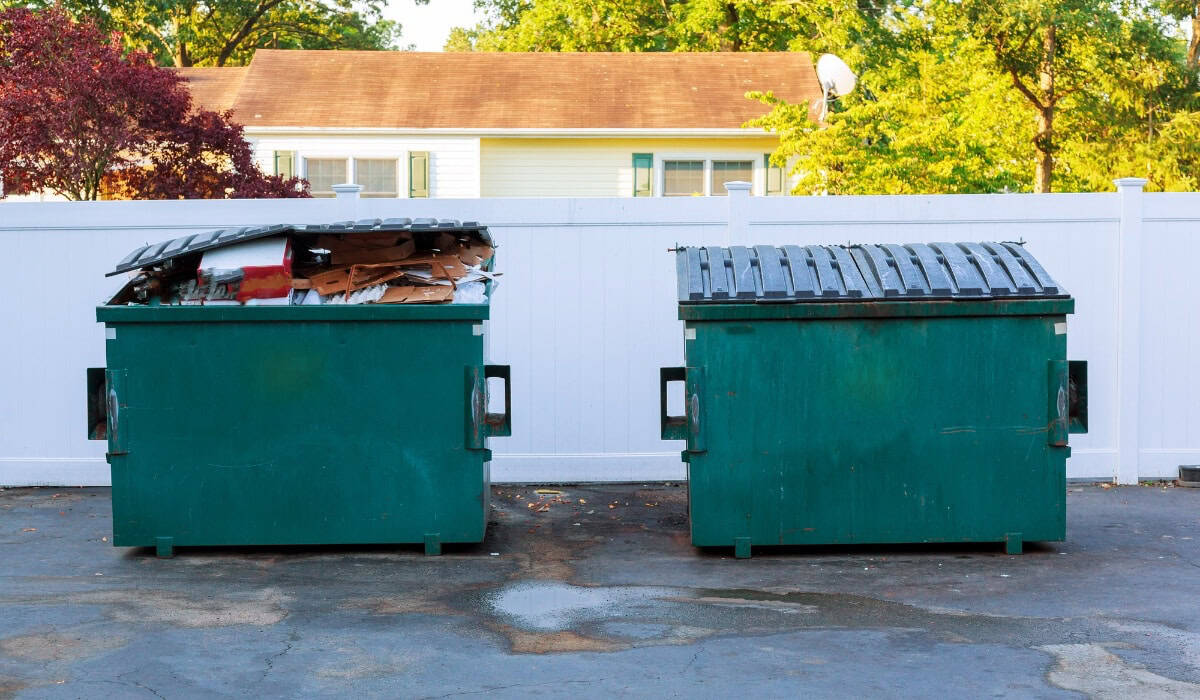
Dumpster weight limits are key to managing your waste efficiently, and this post explains how size, typical tonnage ranges, and overage fees work with Dump South services. Learn about included tonnage, landfill fees in Baldwin County, material densities like concrete and yard waste, and tips to avoid extra charges.
Understanding Dumpster Weight Limits
When you rent a dumpster, you gotta know about the weight limits. Each dumpster size holds a certain amount of debris safely. Load too much and you might get stuck with extra fees or trouble when it’s time to haul it away.
- Dumpsters have different dumpster size and weight capacity.
- There’s a legal max called the legal weight limit for safe transport.
- Going over can cause an overweight penalty.
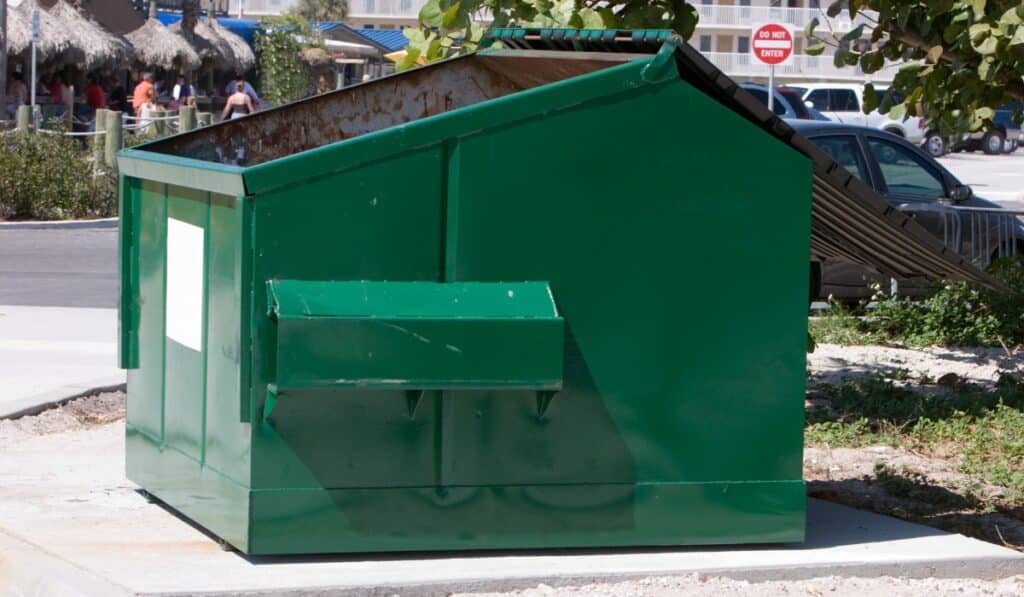
So, keep your load within the roll off dumpster weight limit. It’s safer and cheaper that way.
Included Tonnage
Your Dump South rental usually covers some tonnage included in the price. That means you pay one fee for a certain amount of weight.
Here’s what you usually get:
- 10-yard dumpsters: 1 to 2 tons included
- 15-yard dumpsters: 2 to 3 tons included
- 20-yard dumpsters: 3 to 4 tons included
Knowing your included dumpster tonnage helps avoid surprises. Plan ahead so you don’t pay more if your debris is heavier than expected.
Overage Fees Per Ton
If your waste goes past that included tonnage, extra fees hit your bill. These are called overage fees per ton and can be $50 to $100 each, depending on local rules.
Here’s how to keep those costs down:
- Guess your debris weight before renting.
- Pick a bigger dumpster if unsure.
- Spread heavy stuff evenly inside.
- Don’t mix wastes that bring in contamination surcharge.
Avoiding those fees means sticking under the allowed weight or picking right from the start.
Landfill Fees
Landfill tipping fees play a big part in rental costs. Different places charge different rates based on waste types.
For example, Baldwin County landfill might charge:
- Around $40-$60 per ton for regular junk.
- More for special materials like construction waste or yard debris.
Knowing this landfill fee structure (local) helps you plan your budget when working with Dump South.
Contamination Fees
Putting banned items into the dumpster causes problems. It leads to contamination surcharge charges that can start around $100 or more.
Common banned items include:
- Hazardous chemicals
- Batteries
- Electronics
To dodge these fines:
- Learn what items are prohibited.
- Separate hazardous stuff before loading.
Following these rules cuts down your chances of paying unwanted waste contamination fees and keeps landfills safe across Baldwin County.
Got questions about weight limits or pricing? Reach out anytime for help with your dump rental needs!
Typical Dumpster Tonnage Ranges from Dump South
Dumpster tonnage limits show how much weight you can put in a rental before paying extra. At Dump South, the typical included dumpster tonnage changes with size. This helps customers avoid surprise fees.
Here’s what you usually get for the most common sizes:
- 10-yard dumpsters: 1 to 2 tons (2,000–4,000 lbs)
- 15-yard dumpsters: 2 to 3 tons (4,000–6,000 lbs)
- 20-yard dumpsters: 3 to 4 tons (6,000–8,000 lbs)
These limits work well for most home and small business projects. Knowing your waste type and amount helps you pick a dumpster with the right included tonnage.
10-Yard Dumpster Included Tonnage
The 10-yard dumpster works best for small home cleanups or minor remodels. It usually has a set weight limit near 1.5 tons (3,000 pounds). This fits things like furniture or yard waste but fills fast with heavy stuff like concrete.
Key Points:
- Residential dumpster weight limit: ~1.5 tons
- Max weight capacity fits lighter loads
- Stay under limit to avoid extra charges
If you fill it with heavy dirt or rock, it may hit max weight before it looks full. Think about how dense your material is when loading.
15-Yard Dumpster Included Tonnage
A good pick for medium jobs like home fixes or business cleanups is the 15-yard dumpster. It holds about 2 to 3 tons (4,000–6,000 pounds). This size balances space and weight pretty well.
What Fits in a 15-Yard Dumpster?
- Moderate amounts of construction trash
- Mixed household junk and yard waste
- Commercial cleanup materials within weight rules
This one gives more room but watch out if you add heavy items like concrete blocks. Going over commercial dumpster weight can cost more.
20-Yard Dumpster Included Tonnage
The biggest common roll-off at Dump South is the 20-yard dumpster. It usually includes 3 to 4 tons (6,000–8,000 pounds). It’s great for big renovations or large yard work needing lots of space and weight capacity.
Since roll-off containers have fixed size but different weights based on material density—like asphalt versus wood—you should plan your load carefully using guides from EPA or NAHB.
Knowing these typical included dumpster tonnages at Dump South can help you avoid surprise landfill fees or problems with Baldwin County rules from ADEM.
Material Densities: A Guide for Dump South Customers
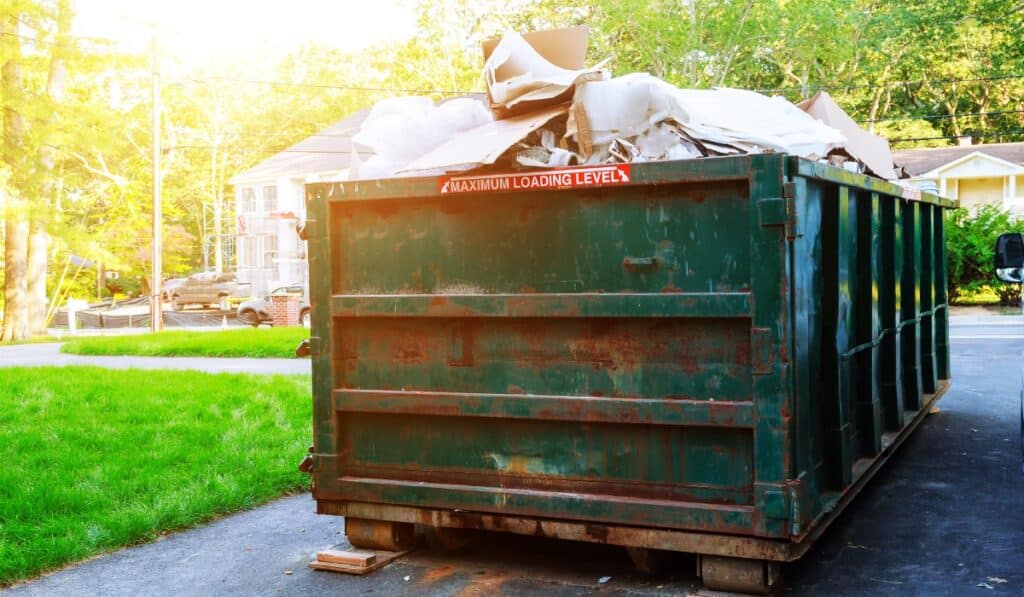
Knowing dumpster debris weight can save you money. Different materials pack different weights. This changes how much your load will weigh. We use EPA density data and NAHB material weight standards here. That helps you guess debris type densities right.
Household Junk Density
Household junk means stuff like old furniture, appliances, and random trash. It’s all non-hazardous waste. Weight ranges from about 150 to 300 pounds per cubic yard.
Things get tricky because household junk varies a lot:
- Loose trash weighs near 150 lbs/yd³.
- Packed boxes or big items can hit 300 lbs/yd³.
This range helps you not go over limits on small dumpsters (10-,15-,20-yard). Don’t forget to keep hazardous materials out—they are banned by rules like those from ADEM in Baldwin County.
C&D Mix Density
C&D mix has wood scraps, drywall bits, metal pieces, bricks, and more building junk. It’s heavier than household junk because of concrete chunks mixed in.
Construction dumpster weight usually sits between 1,000 and 2,500 pounds per cubic yard, depending on packing:
- Light loads: about 1,000 lbs/yd³
- Heavy compaction: up to 2,500 lbs/yd³
Using these numbers helps plan for roofing or renovation debris without surprise fees at places like Baldwin County landfill.
Shingles Density
Shingles are dense but lighter than concrete or dirt. Disposal often limits total weight because roofing dumpsters balance volume and weight.
Shingles weigh around 800–1,200 pounds per cubic yard. This depends on moisture and type:
- Dry asphalt shingles near 900 lbs/yd³
- Wet or stacked shingles can reach 1,200 lbs/yd³
Knowing this helps pick the right roofing dumpster size. Also stay inside roofing material weight limits set by local rules like ADEM’s.
Concrete Density
Concrete is one of the heaviest construction materials in dumpsters. Its density stays close to 3,600 pounds per cubic yard, no matter aggregate size or mix differences.
Because it’s so heavy, even small amounts fill up weight limits fast. Planning well avoids extra landfill fees linked to overweight loads in Baldwin County area dumps.
Dirt Density
Dirt used for landscaping weighs about 2,700 pounds per cubic yard. This includes some moisture but no big rocks unless stated otherwise in rental terms.
When you rent a dirt dumpster:
- Expect limited capacity due to heaviness.
- Watch for extra charges tied to dirt-specific landfill fees.
Adding yard waste ups total weight; knowing both weights helps avoid going over dump site limits or paying extra fees under local rules checked by ADEM.
Yard Waste Density
Yard waste covers leaves, branches, grass clippings, brush trimmings and such. It’s lighter than most construction debris but changes with moisture and how tightly it’s packed in the dumpster.
Typical yard waste weighs between 400 – 800 pounds per cubic yard.
Keep these points in mind for yard waste disposal:
- Check combined dirt-and-yard-waste weights carefully since they add up fast.
- Many landfills charge special yard waste disposal fees.
- Separate organic waste properly to dodge contamination fines.
Following these tips makes your Dumpster Rental smooth with Dump South while staying within Baldwin County rules.
Planning Tips to Avoid Dumpster Weight Overages
Dumpster weight limits help keep loads safe and legal. If you ignore them, you’ll face overweight penalties and extra fees. So, avoid overage fees by planning your project well. Know the dumpster rental weight limit for the size you pick. Look at your project needs carefully. Think about what materials you’ll toss and how heavy they might be. Then, weigh your options by comparing different dumpster sizes and included tonnage ranges before you book.
Here’s how to stay within the weight limit:
- Estimate the debris volume and types beforehand.
- Pick a dumpster size that fits your volume and expected weight.
- Don’t mix heavy stuff with light debris in one bin.
- Load things evenly to balance weight.
- Check local landfill fees when figuring costs.
- Ask customer support if you’re unsure about rules or weights.
If you follow these tips, you’ll avoid surprise fees and keep your project on budget.
Choosing the Right Dumpster Size for Your Project
Picking the right dumpster size keeps you inside capacity and weight limits without extra charges. Cubic yard dumpster sizes range from small 10-yard to big 20-yard roll-off dumpsters fit for many jobs:
- 10-yard dumpsters: Good for small cleanouts or minor repairs; usually come with about 2 tons allowed.
- 15-yard dumpsters: Work well for medium jobs like roofing or landscaping; allow near 3 tons.
- 20-yard dumpsters: Best for big construction projects; often include around 4 tons.
Use a dumpster size guide along with debris weight estimates to choose a container that fits your project just right.
Understanding Dumpster Weight Limits and Fees
Dumpster weight limits tell you how much junk you can put inside before paying extra. If you go over the limit, Dump South charges an overweight penalty called an overage fee per ton. This fee happens when the weight limit is exceeded.
Each dumpster size has its own weight allowance, usually between 1 and 3 tons for 10-, 15-, or 20-yard dumpsters. Load too much, and you’ll pay more for the extra weight.
To avoid surprise fees:
- Check your dumpster’s weight limit first.
- Use tools to guess your debris weight.
- Skip heavy stuff that adds pounds fast.
- Spread waste out evenly in the dumpster.
- Take out banned items that could cause trouble.
Dump South’s weight overage policy is clear. You can find details and rates on their website so you know what to expect before pickup.
Accepted and Prohibited Items in Dumpster
Knowing what you can toss avoids fines or delays from dirty or dangerous trash.
Accepted Debris Types:
Usually okay are household junk, construction & demolition mix (C&D), roofing shingles, concrete chunks, dirt, yard waste.
Prohibited Dumpster Items:
Dump South will not take:
- Hazardous wastes like paint, solvents, asbestos
- Electronics that need special handling
- Tires or batteries
- Any liquids at all
ADEM bans some things totally. Dumping these means big fines on top of landfill charges. Always double-check lists before filling your dumpster. Follow these rules to dodge contamination fees caused by wrong stuff or going over weight limits.
Ready for a hassle-free rental experience? Contact Dump South for expert guidance on managing your project’s waste within all safety regulations and cost-effective solutions!
Key Points on Efficient Waste Management
- Estimate debris load carefully: Use volume and density data to predict your junk load before booking.
- Follow weight limit policies: Stick to allowed weights to avoid unexpected costs and delays.
- Use a dumpster weight calculator: Get accurate results to choose an ideal container size for your project needs.
- Consider disposal costs by the ton: Factor local landfill fees into your budget when estimating costs.
- Coordinate waste removal: Plan pickup and drop-off times to ensure timely delivery and prompt pickup services.
- Check permitted waste materials: Confirm accepted debris types with Dump South before loading your dumpster.
- Handle heavy debris carefully: For dense materials like concrete or dirt, choose bigger dumpsters or multiple rentals if needed.
- Review rental terms and conditions: Understand policies on rental period flexibility, payment, and banned materials before booking.