

Will a dumpster fit in my driveway depends on factors like roll off dumpster sizes, driveway dimensions, and surface types such as asphalt or pavers; Dump South guides you through driveway requirements, slope issues, and the need for board protection. We also cover essential topics like alley versus street placement, necessary local permits, and how to prepare your site for a smooth dumpster delivery.
Dumpster Sizes Options
When you rent a dumpster for your driveway, knowing the size options helps a lot. You usually find three main sizes: 10-yard, 15-yard, and 20-yard dumpsters. Each one fits different project needs.
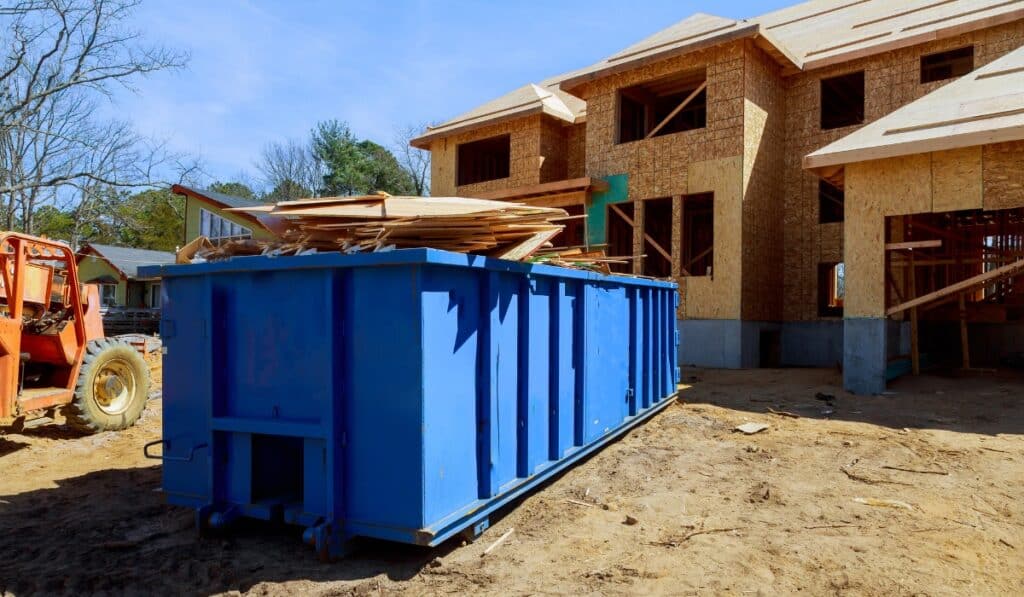
- 10-yard dumpster: Good for small cleanups or minor fixes. It’s about 12 feet long and 8 feet wide.
- 15-Yard Dumpster: Works well for medium projects like cleaning out a garage or doing bigger yard work. It’s roughly 14 feet long and 8 feet wide.
- 20-yard dumpster: Best for big renovations or large building jobs. This one is around 22 feet long and 8 feet wide.
Roll Off Dumpster Dimensions and Residential Fit
Check your driveway before ordering a roll off dumpster. Here’s what to watch:
- Leave at least three to four feet clear on both sides of the dumpster.
- Look up any local rules about putting dumpsters close to sidewalks or fences.
Measuring your space first saves you headaches later.
Gate Swing and Truck Approach Requirements
Getting a dumpster truck into your driveway needs some thought:
- Make sure your gate swings open fully without hitting anything.
- The truck usually needs about 60 feet of clear room to get in and back up.
- Overhead clearance should be at least 20 to 25 feet so the truck can unload safely.
Thinking about these things keeps delivery smooth and safe.
Surface Types Impacting Dumpster Placement
Where you put the dumpster matters because different surfaces act differently:
- Asphalt and pavers hold weight well but might still get damaged without protection.
- Soft ground can sink or shift under the dumpster’s weight. Putting boards under helps keep it steady.
Knowing your surface stops problems before they start.
Board Protection Methods to Prevent Driveway Damage
- Put plywood boards under each corner of the container. This spreads out the weight on asphalt or pavers.
- Add more layers if the ground is soft. That keeps ruts from forming under heavy loads.
These steps protect your driveway while you use the dumpster.
Managing Slope, Tight Turns, and Space Blocking Challenges
Hills, sharp turns, or obstacles can make dumpster delivery tricky:
- Check if your driveway slopes steeply—this might cause problems during drop-off.
- Look at tight corners or narrow paths where trucks must go through.
- Notice obstacles like power lines that could block the way.
Planning ahead helps avoid surprises when they drop off your dumpster.
Alley Versus Street Placement: What Works Best for Your Location
Picking alley or street placement for your dumpster depends on space and local rules. Alleys often make it easier to get in and out without blocking driveways or traffic. But, alleys can be narrow. Sometimes trucks have trouble turning in tight spots.
Street placement happens a lot. But you need to plan carefully so you don’t block the road. Think about how wide the street is and if there are parking rules. Blocking the street might mean you need a right-of-way permit from your city.
Also, check if your neighborhood has rules about dumpsters. Some places don’t allow them on the street because of safety or looks. Plan for about a 60-foot space so trucks can get close. You’ll want 10 to 12 feet clear side to side too.
Remember:
- Alleys give better access but can be tight
- Streets need careful planning to avoid blocking
- Check neighborhood restrictions early
- Allow at least 60 feet length for truck approach
- Keep 10–12 feet width clearance
Understanding HOA Approvals and Requirements
If your area has a Homeowner Association (HOA), you usually need their okay before placing a dumpster. HOAs want to keep neighborhoods looking neat and safe.
HOAs often have rules about:
- Dumpster size limits
- Where dumpsters go (driveway or curb)
- How long you can keep it
- Noise and mess controls
Ignoring HOA rules can cause fines or orders to remove the dumpster fast. So, talk with your HOA early to know what they expect.
Here’s what you should do:
- Ask if an HOA approval is needed
- Learn their dumpster rules clearly
- Follow size and placement limits strictly
- Stick to rental time allowed
Right-of-Way (ROW) Permits for Street Dumpster Placement
Putting a dumpster on public streets almost always needs a right-of-way permit. This helps keep streets safe and open for cars and emergency vehicles.
The permit process usually goes like this:
- Submit an application with location, dates, and size
- Pay fees that depend on how long or big the dumpster is
- Wait for approval—it can take days
Each city might ask for safety barriers around the dumpster. They may also want signs warning drivers about the blockage.
If you don’t get an ROW permit, officials might fine you or make you remove the dumpster.
Navigating Local Regulations Affecting Dumpster Rental
Local laws affect more than just permits when renting or placing dumpsters:
- Some waste types are not allowed; hazardous stuff needs special care
- Residential zoning can limit dumpsters visible from streets
- Dumpsters can’t pollute; some places want liners inside them
- Longer rentals may require extra checks or renewed permits
You should check your city’s disposal laws online or call Dump South’s customer service team. They offer free site-readiness checks by phone that help explain these local rules clearly.
Preparing Your Site for Dumpster Delivery
- Measure your driveway’s length & width carefully
- Check gate swing space if you have one
- Make sure there’s around 60 ft for truck approach with 10–12 ft width free
- Confirm overhead clearance—aim between 20–25 ft high
- Check ground type—put boards down if soft or paved surface
- Get HOA approvals before delivery
- Apply early for any needed ROW permits
Want to see if a residential dumpster rental fits in your driveway? Call Dump South today! Get advice made just for where you live and a free site-readiness check over the phone — order online without hassle!
Preparing Your Driveway for Dumpster Delivery
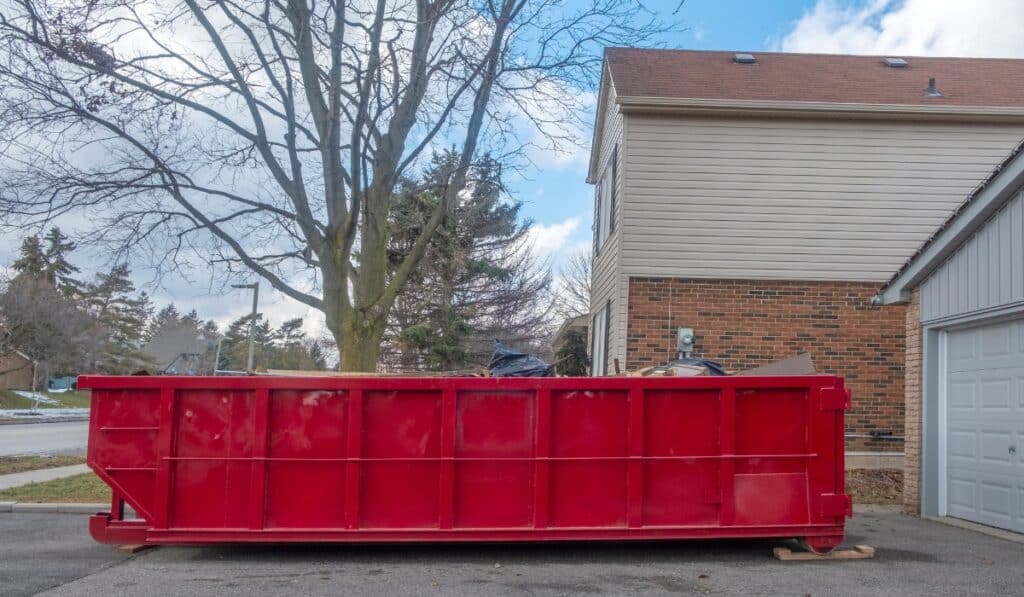
- Measure your driveway space so the dumpster fits without problems.
- Call the rental company for a free site-readiness phone check.
- Pick a delivery date and time ahead of time.
- Move any cars or garden tools out of the way.
- Check that overhead clearance is enough—usually 20 to 25 feet is needed for the truck and dumpster.
- If you have gates, make sure they swing open far enough for the truck.
Doing these steps helps avoid delays and makes delivery easier.
Measuring Your Driveway Accurately for Dumpster Fit
To get the right dumpster size, measure your driveway’s width and length:
- Driveway Width Minimum: At least 10 to 12 feet wide to fit the truck and dumpster safely.
- Driveway Length Minimum: Usually 15 to 20 feet long, depending on dumpster size (like 10-, 15-, or 20-yard).
- Gate Swing Clearance: If you have gates, check how far they open so they don’t block the truck’s path.
Note what kind of surface you have—like asphalt or soft ground—and plan to protect it with boards if needed.
Good measurements stop surprises on delivery day.
Assessing Obstacles
- Check overhead power lines near your driveway; trucks need about 20 to 25 feet of clearance.
- See if tree branches could block or scratch equipment.
- Watch out for tight turns or steep slopes that make driving tough.
- Think if alleys or streets offer better access without blocking neighbors.
Fixing these early keeps delivery safe and smooth.
Incorporating Measured Diagrams
- Take before-and-after photos showing the driveway spots where dumpsters will sit.
- Draw simple measured diagrams that mark width, length, gate swings, and any obstacles.
- Share these with your rental company when you book so they know exactly what to expect.
These visuals cut down mistakes by making plans clear before delivery shows up.
Loading Guidelines to Maximize Dumpster Capacity Safely
To get the best from your dumpster size, load debris evenly. Don’t fill past the top edge. Use a debris volume calculator on our site to guess how much waste you have. Spread heavy stuff like dirt or concrete so you don’t go over weight limits. Avoid loose things that might fall out while driving.
Remember these tips:
- Load debris evenly inside the dumpster.
- Don’t fill above the container’s top edge.
- Use the debris volume calculator before ordering.
- Spread heavy materials around inside.
- Keep loose items inside and secure.
Doing this keeps everyone safe and stops extra fees from overweight loads.
Weight Limits and Material Restrictions Explained
Each roll off dumpster has weight limits based on size. Usually, limits range from 2 to 10 tons depending on where you live and truck capacity. If you go over these limits, Dump South may charge more or refuse pickup. Some materials are not allowed by law, like hazardous waste, tires, batteries, paint cans, and electronics—unless we say it’s okay.
Check these points before loading:
- Know your dumpster’s weight limit.
- Don’t put banned items in the dumpster.
- Hazardous waste is not allowed.
- Tires, batteries, paint cans, electronics are restricted.
- Ask Dump South staff if unsure about a material.
Following these rules helps keep things legal and safe for everyone.
Protecting Your Driveway Throughout the Rental Period
Protecting your driveway is important while the dumpster is there. Dump South puts strong boards under dumpsters on asphalt, pavers, or soft ground. This stops damage from heavy trucks moving in and out. The boards help stop cracks or stains on your driveway or sidewalks nearby.
Here’s how we protect your driveway:
- Place board protection under the dumpster.
- Use boards on asphalt, pavers, or soft soil.
- Prevent cracks or surface stains from trucks.
- Keep your driveway looking good during rental.
This protection helps avoid damage and makes cleanup easier after we pick up the dumpster.
Confirming Site Readiness Before Rental Begins
Before your dumpster rental starts, you need to check if your driveway is ready. Measure the length and width of your driveway well. Make sure the space fits the dumpster size you want. Look at the driveway’s surface—like asphalt, concrete, or soft ground. You might want to use boards to protect it from damage.
See if anything blocks access, like narrow gates or low branches. Trucks need about 60 feet of clear path, 10 to 12 feet wide, and 20 to 25 feet overhead space. This helps avoid problems when the dumpster arrives.
If you have a homeowners’ group or need permits for street placement, get those done before delivery day.
Addressing Common Concerns About Dumpster Fit in Driveways
Many people ask: “Will a dumpster fit in my driveway?” Here’s what matters:
- Your driveway should be at least 10 feet wide.
- The length needs to be around 15 feet for small dumpsters (10-15 yards), longer for big ones.
- Watch out for power lines or tight turns that can block trucks.
- Slopes can cause problems; flat spots work best.
If your space feels tight or the slope is steep, tell us when you book. We can plan for it then.