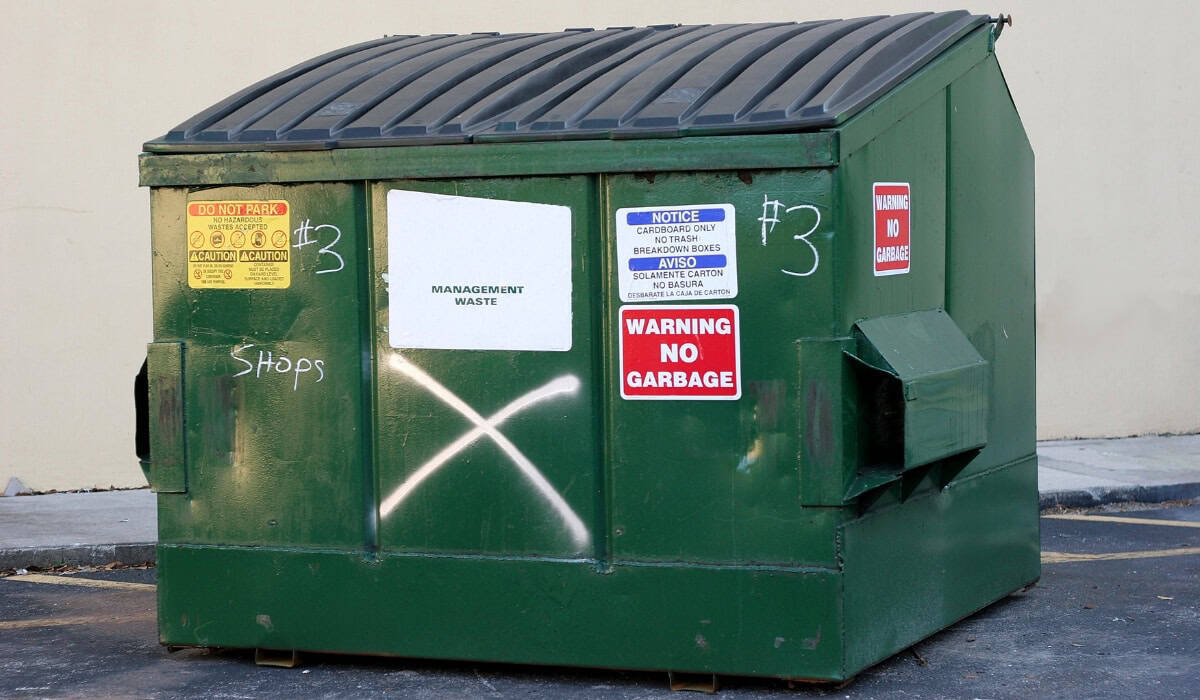
If you’re wondering what you can put in a dumpster in Alabama, Dump South explains that common acceptable items include regular household waste, yard debris, and construction materials while highlighting items prohibited in dumpster disposal like appliances with refrigerant, batteries, and paint. Understanding Alabama Department of Environmental Management (ADEM) regulations and local city disposal resources can help avoid contamination fees and ensure proper waste handling.
Understanding Dumpster Contents in Alabama
When you rent a dumpster in Alabama, you need to know what can go inside. This helps you follow the rules and avoid problems.
What You Can Put In a Dumpster
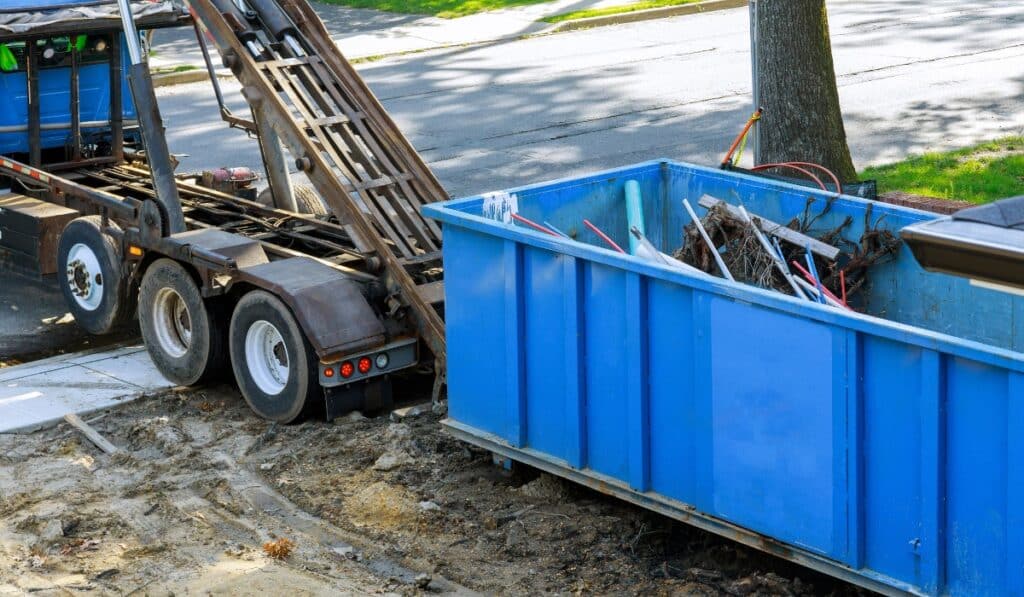
Usually, dumpsters accept these items:
- Construction debris like wood, drywall, concrete, and roofing bits.
- Household junk such as old furniture, appliances without refrigerants, and clutter.
- Yard waste including grass clippings, branches, and leaves.
Some Items Need Special Care
Certain things might be okay but need extra steps:
- Mattresses are sometimes allowed but might cost more because they must be recycled.
- Appliances with refrigerants have special rules for disposal.
- TVs and e-waste often need to go to special places since they have harmful parts.
What You Cannot Put In a Dumpster
Some items are off-limits because they can cause harm or pollute. Avoid putting:
- Hazardous waste like liquid paint, batteries, propane tanks, or strong cleaners.
- Tires and electronics usually require separate recycling methods.
Why Are These Items Banned?
These materials can hurt the environment or public health. For example:
- Chemicals may leak into landfills and poison soil or water.
- E-waste has toxic stuff that needs careful handling.
Separating Your Waste Properly
In Alabama’s waste management:
- Yard waste often goes separately from construction debris (C&D).
- Sorting materials right helps recycling work better.
Where to Get Rid of Prohibited Stuff
If you don’t know where to put hazardous waste or other banned items, look for community events or drop-off spots around Alabama. Many towns hold special days to collect household hazardous waste safely.
To follow solid waste management rules in Alabama:
- Get a checklist of what’s allowed in dumpsters before your project.
- Call local hotlines if you have questions about certain things.
Knowing what fits in a dumpster rental in Alabama helps keep the area clean. It also avoids fines and pollution problems.
If you want to rent a dumpster, contact Dump South for options that fit your needs.
Accepted Items for Dumpster Disposal
Common Household Waste
Renting a dumpster in Alabama lets you toss many common household things without worry. You can put in general trash, old furniture, and appliances that don’t have refrigerants. Mattresses usually go too, but double-check local rules first. People often use residential dumpster rentals for spring cleaning or moving out in Alabama.
Bulk trash pickup rules change by city, but most allow non-hazardous junk through dumpster rentals. When tossing furniture, avoid treated wood or stuff with harmful chemicals. Junk removal folks suggest keeping recyclables separate from regular waste to follow Alabama laws.
Before dumping big items in your rental dumpster, check local rules. The Alabama Department of Environmental Management (ADEM) may charge fees if you put banned stuff inside. If you’re unsure about something, just ask your service provider.
Yard Waste and Debris
Yard waste dumpsters in Alabama take things like leaves, branches, grass clippings, and small tree limbs. In Alabama, sorting yard waste right matters. These materials break down naturally and must stay apart from construction debris to meet ADEM rules.
Composting yard waste cuts down on landfill trash and helps the environment—especially in places like Birmingham. Yard waste dumpsters send organic stuff to compost sites instead of mixing it with other garbage.
Mixing yard waste with construction debris can cause contamination. This might lead to fees or rejected loads at disposal sites. Always ask your dumpster company if they offer special containers just for yard cleanup.
Construction and Demolition (C&D) Materials
Construction debris includes stuff like concrete chunks, bricks, drywall bits, shingles, clean wood framing lumber, and metal scraps from building projects that go into construction debris dumpsters. C&D dumpsters all over Alabama accept these materials.
Demolition debris comes from tearing down buildings but must NOT have hazardous stuff like asbestos or lead paint—state law bans those.
Home renovation messes need sorting too. Contractors usually focus on choosing the right dumpster size—20 yards or more—to hold heavy loads during cleanup.
Using a dedicated construction site cleanup dumpster helps meet Baldwin County Solid Waste rules. It also keeps all eligible building materials in one place for easier transport and recycling.
Prohibited Items: What Not to Put in a Dumpster
If you rent a dumpster in Alabama, you gotta know what NOT to throw in. Some things can cause big trouble for the environment and even get you fined. The Alabama Department of Environmental Management (ADEM) has strict rules on waste. That includes chemical waste disposal Alabama and hazardous waste disposal Alabama.
Some stuff you should never toss in dumpsters includes household hazardous waste (HHW), toxic substances, biohazardous materials, corrosive chemicals, reactive wastes, and flammable stuff. They’re risky and must be handled carefully.
Hazardous Waste
Household hazardous waste (HHW) covers things like cleaners, bug sprays, solvents, and car fluids. You can’t just dump these in dumpsters because they’re dangerous and pollute the land.
Alabama runs HHW events where people drop off these items safely. Remember:
- Chemical waste disposal Alabama has tough rules.
- Hazardous materials Alabama needs special licensed handlers.
- Toxic substances disposal Alabama shouldn’t happen in regular dumpsters.
Check your local county’s schedule for HHW events before trying to get rid of this kind of waste.
Electronics (E-waste)
Old electronics have bad stuff inside them that can hurt the planet. This means TVs, computers, printers, and similar devices.
In Alabama:
- Take e-waste to official e-waste drop-off Alabama centers.
- Use electronics recycling Alabama programs to dispose of gadgets right.
Throwing electronics in dumpsters is a big no-no. It stops poisons from leaking into soil and water.
Tires
You can’t put tires in dumpsters. They don’t break down and might catch fire.
To get rid of tires safely:
- Find places that do tire disposal in Alabama properly.
- Many counties hold tire recycling days or have drop-off points.
Dumpsters just aren’t made for tires. Dumping them wrong can lead to fines.
Specific Item Restrictions
Some big or special items have their own dumpster rules:
Mattresses and Box Springs
Mattresses take up lots of room but parts like springs or foam can be recycled. In Alabama:
- You usually need permission before tossing mattresses.
- Check out mattress recycling Alabama programs nearby.
Don’t dump mattresses straight into dumpsters unless you know it’s okay.
Appliances With Refrigerants
Big appliances like fridges or AC units have refrigerants that harm air if released badly.
Keep these in mind:
- Certified pros must do appliance refrigerant removal Alabama first.
- Appliance disposal Alabama follows set rules by ADEM.
Never chuck appliances with refrigerants into regular dumpsters without proper prep—it’s unsafe and illegal.
Paint (Liquid vs. Dried)
Paint needs care depending on its state:
- Liquid paint counts as hazardous; don’t pour it in dumpsters (liquid paint disposable alabama, paint disposal alabama).
- Take it to HHW events instead.
- Dried latex paint sometimes goes with trash once fully dried (dried latex paint disposable alabama), but check your area’s rules first.
Batteries
Batteries hold metals that leak toxins if dumped wrong:
- Never toss batteries in dumpsters—use battery_disposal_alabama spots instead.
- Rechargeable_batteries_alabama requires special recycling.
- Alkaline_batteries_disposal_alabama also must go to approved centers.
Propane Tanks
Propane tanks can explode if handled badly:
- Follow safety tips for propane tank disposable Alabama carefully.
- Use propane cylinder exchange Alabama stations to swap empties instead of tossing them out.
Chemicals
Stuff like acids, solvents, or pesticides falls under strict laws:
- Don’t dump chemicals—they violate chemical waste disposal Alabama regulations.
- Use official collection sites listed by your county or state.
Knowing what not to put in your dumpster helps keep people safe and avoids legal trouble with ADEM rules. If you ever wonder about an item—just call first before tossing!
Baldwin County Solid Waste: Local Guidelines
Baldwin County has its own solid waste rules that work with state laws. The Baldwin County Solid Waste Authority runs local landfills and recycling programs for homes and businesses.
Here are some important points:
- Yard waste should stay separate from construction trash.
- Mattresses need special care because of size limits.
- Appliances with refrigerants require certified removal before disposal.
These local rules help keep landfills clean and support recycling.
Before you rent a dumpster in Baldwin County, look over their dumpster guidelines. Following these rules avoids extra fees or pickup problems from Dump South or other companies working here.
City Disposal Resources: Finding What You Need
Many Alabama cities have places just for household hazardous waste (HHW). Items like dried paint cans, old TVs, tires, batteries, and chemicals can’t go into regular dumpsters. Instead, cities hold HHW events during the year for safe drop-off.
To dispose of banned items safely:
- Check your local solid waste agency for HHW event dates.
- Use city recycling centers for electronics.
- See if transfer stations nearby take big items not allowed in dumpsters.
City websites often list what they accept and when they’re open. This makes it easier to follow local laws while cleaning up.
If you live in areas served by Dump South, visit our resources page or call us first before tossing tricky stuff into your dumpster.
Ensuring Compliance and Responsible Waste Management
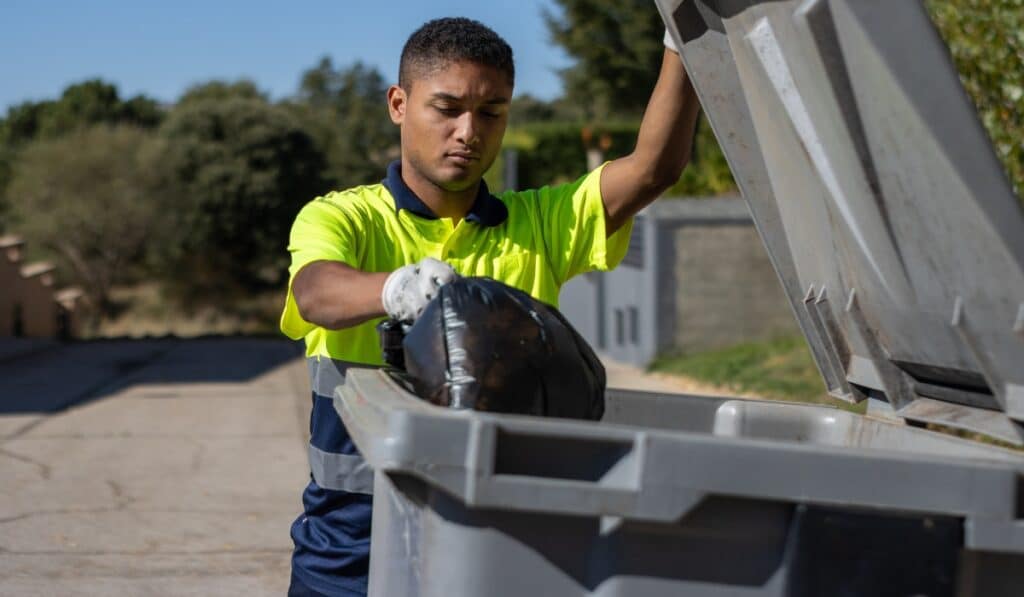
Sorting your waste right is key in Alabama. Yard waste means stuff like leaves, grass clippings, and branches. Construction debris covers things like wood scraps, concrete bits, and drywall. You gotta keep them apart. This helps you follow disposal guidelines in Alabama and keeps your load from getting rejected or costing extra.
Alabama wants clear waste segregation for better recycling and less mess. Baldwin County says use different bins for yard waste and construction junk. A disposal restrictions checklist can help you avoid trouble with ADEM rules (Ala. Admin Code r. 335-13).
When you separate yard waste, it can get composted. Construction debris usually goes to special recycling spots. This way, Alabama keeps trash handling more sustainable.
Understanding Contamination Fees
Mixing wrong stuff in dumpsters can cost ya big time in contamination fees Alabama charges. These fees cover the extra work landfills do when they find banned materials mixed in.
People often mess up by dumping hazardous waste or banned items like tires or electronics with regular trash. Landfills have strict acceptance criteria, so if your load doesn’t fit, they might refuse it.
To dodge these fees:
- Follow landfill restrictions Alabama sets.
- Keep hazardous stuff out of regular trash.
- Only put what your dumpster rental says is okay.
Knowing this lowers the chance of surprise dumpster contamination fees in Alabama.
HHW Events and Drop-Off Options
Household hazardous waste (HHW) needs careful handling in Alabama. Paints, batteries, chemicals, propane tanks—these can’t go in regular dumpsters.
Luckily, Alabama holds HHW events where people can drop off these risky items safely.
Counties like Baldwin run chemical recycling programs too.
If you’re not sure about an item, check if it’s hazardous household waste (HHW) before tossing it out. Use the drop-off spots or attend HHW events Alabama offers to stay safe and legal.
Best Practices for Responsible Waste Disposal
Here’s how to keep things right:
- Sort trash by type before dumping (waste sorting best practices Alabama).
- Follow all environmental protection laws in Alabama.
- Use local recycling programs—lots offer curbside pickup or drop-off points.
- Compost yard waste at home if you can (composting yard waste Alabama).
- Call hotlines like “Call Before You Toss” for tricky items.
These steps help you stick to recycling regulations Alabama has and keep the planet cleaner. Check county or city websites for more tips on proper disposal near you.
Resources and Support for Waste Disposal in Alabama
Getting rid of waste the right way helps keep Alabama clean and safe. The state has many resources to help folks and businesses handle trash properly. Knowing where to find help makes it easier when you rent a dumpster or toss stuff out.
Here’s what you should know:
- Rules are in place to keep pollution low.
- You must follow local laws when throwing things away.
- Help is available from city offices and community programs.
ADEM Regulations: Quick Resource Guide
The Alabama Department of Environmental Management (ADEM) watches over waste rules statewide. They write the ADEM regulations Alabama that say what you can put in dumpsters and landfills. These rules match up with EPA standards, so waste doesn’t harm people or nature.
For example, you can’t dump chemicals or refrigerants in normal dumpsters. These things cause pollution and might bring fines if ignored. Following EPA waste disposal guidelines Alabama keeps you on the right side of the law.
Downloadable Compliance Checklist
Sometimes, rules get confusing. That’s why a downloadable disposal checklist Alabama exists. This list shows:
- What items go in dumpsters and what don’t
- How to sort trash (yard waste apart from construction junk)
- Ways to dodge contamination fees
This checklist helps you avoid mistakes when renting dumpsters or throwing away stuff. You’ll find it on county websites or through ADEM online.
Dumpster Rental Guidelines in Alabama
Renting a dumpster? Watch out for these local rules:
- You may need a permit if your dumpster blocks sidewalks or streets.
- Some landfills don’t accept certain debris types.
- If banned stuff shows up in your dumpster, expect contamination fees.
Follow these dumpster rental guidelines Alabama to avoid extra costs or legal trouble.
Key Points on Local Dumpster Laws & Environmental Compliance
- Always check local dumpster laws in Alabama before renting or placing dumpsters.
- Follow landfill acceptance criteria Alabama to avoid load rejection.
- Use disposal restrictions checklist Alabama for clear guidance on allowed materials.
- Adhere to environmental protection laws Alabama to stay compliant and avoid illegal dumping penalties Alabama.
- Known dumpster weight limits Alabama to avoid excess charges or denied acceptance.
- Use community waste programs Alabama like HHW drop-off events and chemical recycling programs Alabama for banned items.
- Contact local solid waste agency Alabama or call a local disposal hotline Alabama for questions or help with difficult materials.
- Utilize downloadable regulatory documents Alabama such as compliance checklists to prepare properly.
- Consider recycling incentives Alabama and community recycling grants Alabama offered locally for cost savings.
For more assistance, always connect with an agent at Dump South — we help you navigate local rules and ensure safe waste disposal throughout Alabama!